
 EN
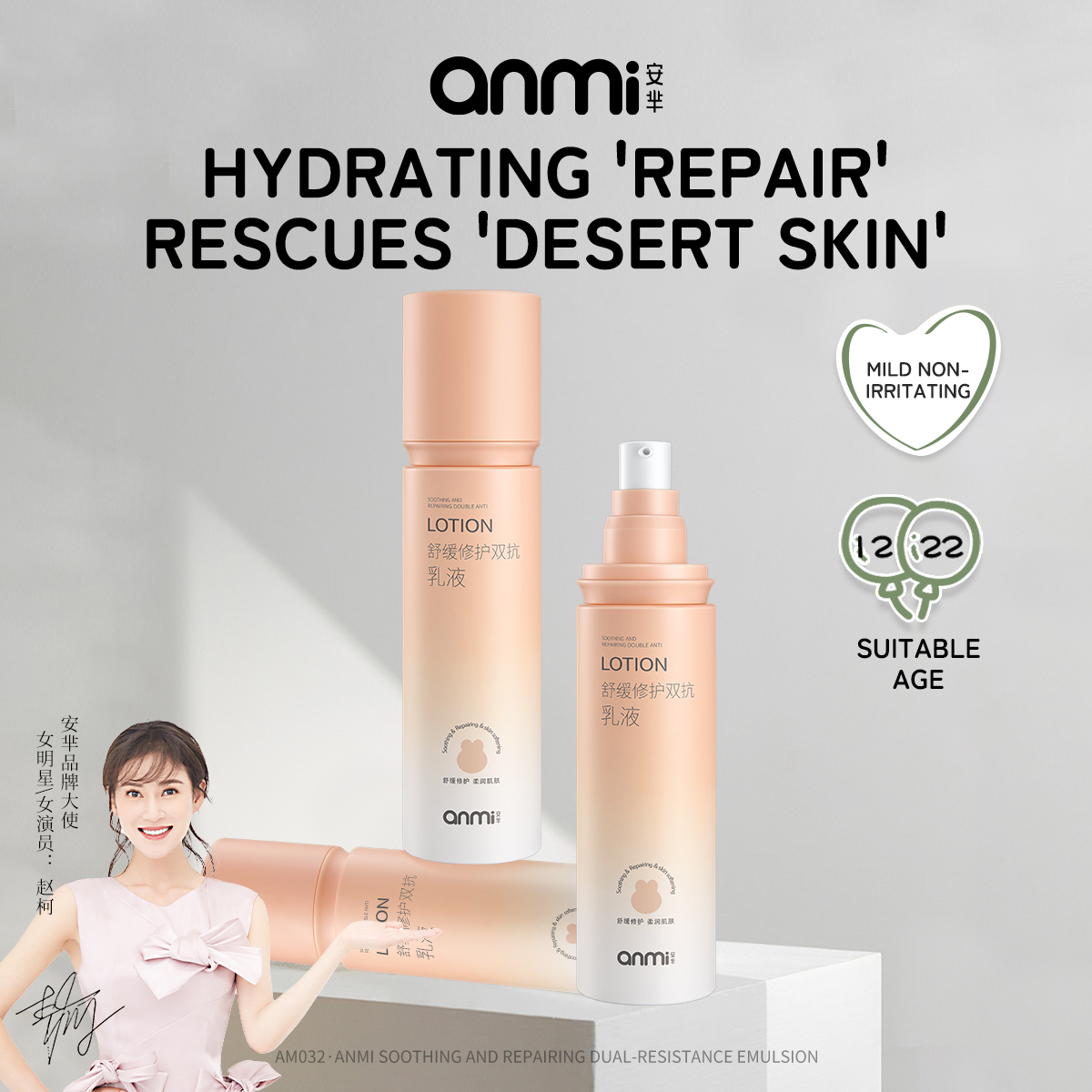
Why Dry Seasons Disrupt Facial Skin Smoothness
Transepidermal Water Loss Surges in Low-Humidity Environments
Dry air actively pulls moisture from the skin’s outermost layer. When relative humidity falls below 30%, the moisture gradient between the stratum corneum and the surrounding air widens—accelerating transepidermal water loss (TEWL), the passive diffusion of water from inside the skin to the environment. As water content drops, corneocytes shrink and separate, making the surface appear dull, rough, or flaky. Clinical measurements show TEWL rises within one to two hours of low-humidity exposure—even in healthy skin (2022). This disruption also slows desquamatory enzymes, delaying the shedding of dead cells and contributing to buildup that further impairs smoothness. Repeated TEWL spikes reduce the skin’s ability to retain moisture over subsequent days. Without a targeted face lotion that supplies humectants and restores water-binding capacity, overnight moisture loss can cause morning tightness.
Indoor Heating and Cold Winds Accelerate Barrier Compromise
Indoor heating often reduces indoor relative humidity to 10–20%, while cold outdoor winds physically strip the lipid film that normally slows evaporation. Together, these stressors deplete ceramides, cholesterol, and fatty acids in the stratum corneum. As the lipid matrix thins, microscopic cracks form in the barrier—allowing irritants to penetrate and water to escape faster. The result is intensified roughness, redness, and tightness. Prolonged exposure to heated rooms and biting winds also suppresses the skin’s natural recovery rate, meaning the barrier may not fully rebuild between daily exposures. Even well-hydrated skin can feel rough by late afternoon without active lipid replenishment. A moisturizer with occlusive ingredients helps slow evaporation—but only when paired with barrier-supporting actives. Without this dual support, seasonal dryness becomes a self-perpetuating cycle rather than temporary discomfort.
How a Targeted Face Lotion Delivers Seasonal Smoothness
Humectants + Emollients: Dual-Action Hydration for Surface and Structure
A targeted face lotion works through two complementary mechanisms. Humectants—including glycerin, sodium PCA, and panthenol—attract water from the deeper dermis (and, when ambient humidity permits, from the air) into the stratum corneum. This rehydrates surface cells and visibly reduces tightness and flakiness. Emollients such as shea butter, squalane, and plant-derived oils fill microscopic gaps between corneocytes and soften the outer layer. Together, they create a smoother, more resilient surface while reinforcing the skin’s natural lipid matrix. This dual-action approach addresses both immediate roughness and underlying structural dryness: humectants boost water content in the upper epidermis, while emollients restore protective integrity. In winter—when low humidity and indoor heating intensify moisture loss—single-phase moisturizers often fall short, making this synergy especially valuable.
Occlusive Balance: Preventing Evaporation Without Clogging Pores
Occlusive ingredients like dimethicone or light plant waxes form a breathable film over the skin—not a sealed barrier—that slows transepidermal water loss without suffocating pores. A well-balanced occlusive layer preserves hydration delivered by humectants, extending smoothness through cold winds and heated rooms. For oily or combination skin, a lower occlusive load still delivers meaningful protection when paired with effective humectants. The goal isn’t heaviness—it’s precision: enough occlusion to curb evaporation, yet enough breathability to wear comfortably under sunscreen or makeup. Non-comedogenic formulations ensure pore safety, even with daily use.
Key Formulation Traits That Make a Face Lotion Effective in Dry Weather
A dry-weather face lotion should do more than feel pleasant on application. The most effective formulas combine humectants, emollients, and a controlled occlusive layer to slow transepidermal water loss (TEWL) without compromising comfort or function. Look for a lightweight but skin-identical emollient base—such as squalane or caprylic/capric triglyceride—paired with glycerin, panthenol, or low-molecular-weight hyaluronic acid. These draw water into the stratum corneum and soften rough surface cells.
The table below summarizes formulation traits that support smoothness retention in low-humidity conditions:
| Trait | Function | Examples | Why it matters in dry weather |
|---|---|---|---|
| Humectant blend | Attracts and holds water | Glycerin, hyaluronic acid, urea | Counteracts low ambient humidity |
| Skin-identical emollients | Fill cracks between cells | Squalane, caprylic/capric triglyceride | Smooths texture without heavy residue |
| Controlled occlusives | Slow evaporation | Dimethicone, shea butter, petrolatum | Reduces TEWL while limiting greasiness |
| Barrier repair actives | Support the lipid matrix | Ceramides, panthenol, niacinamide | Strengthens skin against cold wind and indoor heating |
| pH-conscious base | Preserve the acid mantle | Lotion pH near 4.5–5.5 | Helps enzymes maintain natural moisture factors |
Before choosing, match the texture to your skin type. Oily or combination skin generally tolerates a lighter, oil-free lotion with fast-absorbing emollients. Dry or sensitive skin benefits from a richer phase—but should still avoid heavy waxes that trap heat and cause congestion. A well-balanced dry-weather lotion feels comfortable after absorption, leaves no tightness after an hour, and keeps makeup or SPF from pilling.
Proven Application Tactics to Maximize Smoothness Retention
Apply to Damp Skin Within 60 Seconds of Cleansing
After cleansing, skin is hydrated but vulnerable: surface water begins evaporating quickly—and can pull natural moisture with it. Applying face lotion while skin is still damp—ideally within 60 seconds—traps that water before TEWL accelerates. This simple timing improves spreadability and allows humectants like glycerin or hyaluronic acid to draw water into the stratum corneum instead of competing with dry air. Pat gently rather than rubbing; aggressive friction can irritate a compromised barrier. For very dry or flaky areas, apply a slightly thicker layer—but avoid over-application that leaves a greasy film. This habit transforms a basic step into a high-impact smoothness retention strategy—no extra products or cost required.
Layer Strategically: Face Lotion Before SPF or Makeup for Optimal Film Integrity
Layer products from thinnest to thickest, allowing 30–60 seconds between layers for absorption. Begin with a lightweight face lotion, then follow with SPF or makeup. This order creates a smooth, flexible base that prevents pilling and ensures heavier formulas don’t disrupt active ingredient delivery. Applying sunscreen first—and then layering lotion over it—can dilute UV filters and break the protective film. For makeup users, a well-absorbed lotion minimizes dry patches and keeps foundation from clinging to rough texture. In dry seasons, reapply a small amount of lotion only to flaky spots after blotting—not over full makeup—and let the final layer dry completely before applying coverage. This preserves film integrity while sustaining smoothness, sun protection, and coverage.
Frequently Asked Questions
Why does skin become rough during the dry season?
During dry seasons, low humidity and indoor heating accelerate transepidermal water loss (TEWL), depleting the skin's moisture and lipids. This leads to roughness, tightness, and flakiness.
What ingredients should I look for in a face lotion for dry weather?
Look for humectants like glycerin, hyaluronic acid, and urea; skin-identical emollients like squalane; occlusive agents like dimethicone; and barrier-repair actives like ceramides and niacinamide.
How can I maximize the effectiveness of my face lotion?
Apply face lotion within 60 seconds of cleansing while skin is still damp. Layer it before SPF or makeup for better absorption and protection against water loss.
Can face lotion prevent clogging of pores?
Yes, many face lotions are non-comedogenic and use breathable occlusives that prevent water loss without clogging pores.