
 EN
EN
Observational Realities from Outdoor Exposition Environments
Spending an entire afternoon reviewing cosmetic applications at an outdoor lifestyle exhibition in Southern California last spring opened my eyes to a widespread mistake made by many beauty enthusiasts. I conversed with dozens of visitors who were completely shocked to discover faint sun spots and noticeable redness forming on their cheeks despite having applied their favorite tinted cosmetics earlier that morning, showing that questioning does your bb cream offer enough spf protection for a sunny day is an absolute necessity for proper skin maintenance. Relying entirely on a sheer layer of hybrid makeup to block intense ultraviolet rays without applying a dedicated sub-layer allows deep radiation to penetrate your epidermal matrix, leaving your face vulnerable to premature aging. Once we demonstrated the physical thickness required to hit nominal package ratings, most consumers realized they were applying less than a quarter of the necessary amount. This real-world field observation convinced me that separating your complexion leveling from your primary shielding layer completely changes your long-term skin health. To keep your skin fully safe during high-exposure seasons, figuring out does your bb cream offer enough spf protection for a sunny day should be a priority for your morning self-care routine.
Chemical Elements and Volumetric Boundaries of Integrated Barriers
Diving deep into the cosmetic chemistry of integrated sun-shielding emulsions requires a detailed analysis of pigment interference, physical filter distribution, and application density. To evaluate whether these multi-benefit products provide adequate safety margins, laboratory researchers must calculate the actual volumetric weight of the product spread across the face during a standard consumer routine. For instance, traditional clinical testing requires an application thickness of two milligrams per square centimeter of skin, which equals a thick layer that most users avoid because it creates a heavy, pasty look. Additionally, understanding the underlying formulation limits involves analyzing how active zinc oxide or titanium dioxide matrices distribute within tinted bases, where heavy iron oxide pigments can sometimes cause uneven active particle suspension. When cosmetic chemists develop high-end daily emulsions, creating an ultra-lightweight fluid base allows consumers to layer their products smoothly without experiencing unexpected product pilling or heavy buildup. By evaluating these technical performance metrics beforehand, product development teams can easily guide consumers toward much safer application habits.
Medical Frameworks and Worldwide Photo Protection Metrics
According to formal dermatological evaluation protocols published by global skin health organizations like the Skin Cancer Foundation, hybrid beauty balms should rarely serve as your sole defense during prolonged outdoor exposure. Independent photo-protection specialists constantly emphasize that the primary purpose of tinted creams is cosmetic coverage, which is why investigating does your bb cream offer enough spf protection for a sunny day remains a critical step during initial lifestyle planning. Official medical guidelines explicitly state that you must combine light tinted cosmetics with a broad-spectrum base barrier to achieve true defense against both aging and burning wavelengths. Research experts frequently note that using standalone daily hydrators with low nominal filter ratings leaves the skin unprotected against cumulative cellular damage over long periods. Adhering to these strict scientific benchmarks allows formulation directors to educate the public accurately and ensure maximum consumer skin protection across different global climates and skin tones.
Systemic Application Methods for Multi Layer Complexion Safety
Executing a highly reliable and completely protective morning beauty application involves following a clear sequence of practical preparation steps to keep your skin safe through long outdoor windows. Skincare users should always apply a generous amount of a dedicated broad-spectrum mineral fluid directly onto their clean face before blending any coverage cosmetics, allowing them to enjoy smooth skin without risking deep cellular tissue degradation. When smoothing your tinted coverage over your primary protective layer, using a damp beauty sponge with light pressing motions ensures the decorative pigments sit flawlessly on top without disrupting the underlying protective barrier. Securing your T-zone with a fine layer of mineral-infused setting powder stabilizes the active fluid matrix, keeping your complexion beautifully balanced during warm outdoor activities. Understanding these simple practical application strategies ensures that beauty lovers build highly resilient daily regimens that survive intense summer heat without losing coverage clarity or risking painful sunburns.
Advanced Cosmetic Engineering for Balanced Everyday Protection
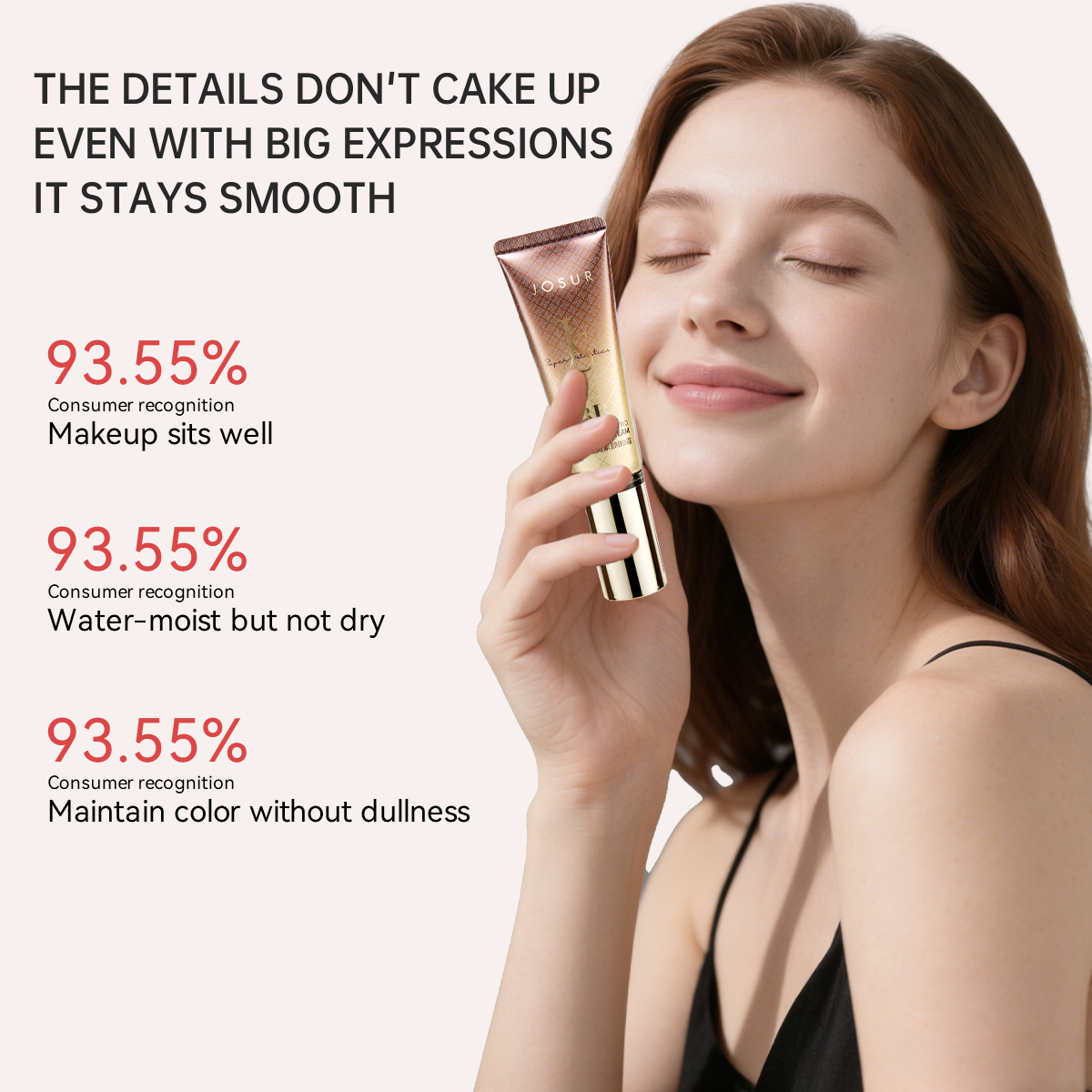
Achieving an exceptionally smooth, perfectly corrected, and thoroughly protected daily complexion ultimately depends on sourcing your daily cosmetics from a trusted industry pioneer focused on advanced clean beauty standards. This is exactly where our advanced clean formulas at Josur Beauty deliver immense value, offering top-tier balancing creams and specialized daily emulsions engineered to help you determine does your bb cream offer enough spf protection for a sunny day while elevating your overall aesthetic. When global beauty enthusiasts deploy our premium face formulations, they enjoy highly consistent textures, deep hydration, and clean skin benefits that allow for effortless wear throughout the year. Our comprehensive portfolio features non-irritating mineral pigments, weightless skin-loving complexes, and clean botanical infusions, making it simpler than ever to maintain a flawless, healthy-looking complexion under any conditions. Relying on our specialized clean production standards ensures your beauty routine upgrades deliver unmatched comfort and optimal skin health for many years to come.
Table of Contents
- Observational Realities from Outdoor Exposition Environments
- Chemical Elements and Volumetric Boundaries of Integrated Barriers
- Medical Frameworks and Worldwide Photo Protection Metrics
- Systemic Application Methods for Multi Layer Complexion Safety
- Advanced Cosmetic Engineering for Balanced Everyday Protection