
 EN
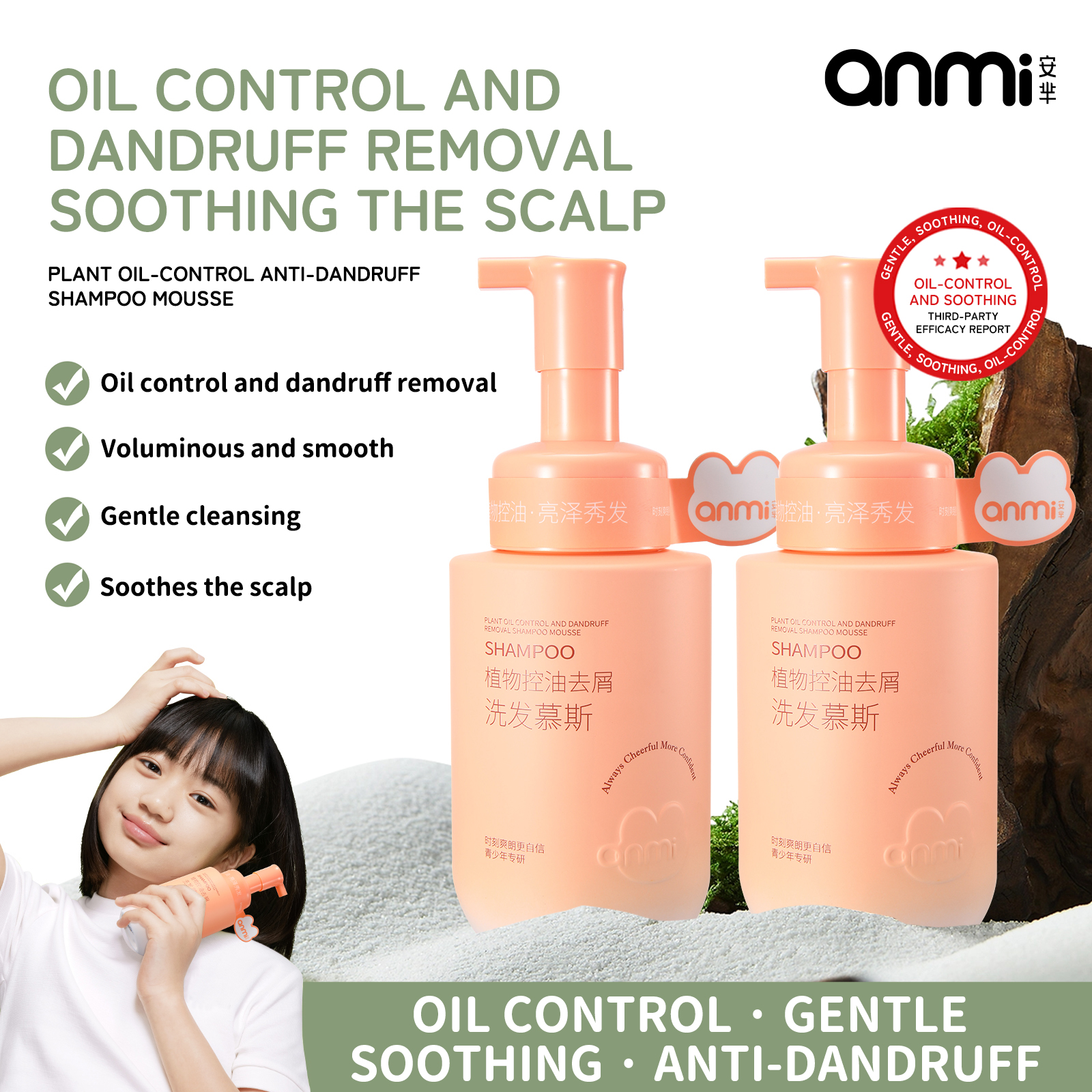
Essential Functional Actives for Hair Strength, Hydration, and Scalp Health
Distributors sourcing bulk hair shampoo must prioritize ingredients that deliver measurable repair, moisture, and scalp care. Modern formulations go beyond basic cleansing, integrating actives that target structural damage, hydration balance, and a healthy scalp environment—all critical for claims that resonate across global markets.
Keratin, Amino Acids, and Hydrolyzed Proteins for Repair and Damage Control
Hydrolyzed proteins like keratin, silk, and wheat amino acids penetrate the hair shaft to reinforce its internal structure, filling gaps in the cuticle and reducing breakage and split ends. A 2023 industry analysis found that shampoos with hydrolyzed proteins can improve wet-combing force by up to 40%, directly correlating with less damage during styling. Amino acid blends—especially those rich in cysteine—support disulfide bond repair, which is essential for chemically treated or heat-styled hair. Distributors should look for composites that combine multiple protein sizes: larger molecules for surface film-forming and smaller ones for cortical repair. This dual approach delivers both immediate manageability and cumulative damage reversal—a key differentiator in competitive markets.
Panthenol, Biotin, and Hyaluronic Acid for Multi-Benefit Hydration and Shine Claims
Provitamin B5 (panthenol) binds to the hair surface, forming a moisture-locking film that boosts shine and combability while also penetrating the cortex to increase water content and reduce brittleness. Biotin (vitamin B7) strengthens the keratin infrastructure, improving tensile strength and thickness over time. Hyaluronic acid—now widely adopted in scalp-focused hair care—acts as a potent humectant, holding up to 1,000 times its weight in water to maintain the scalp’s moisture barrier without weighing down fine hair. Together, these three ingredients create a synergistic benefit profile: panthenol delivers instant gloss, biotin fortifies the strand, and hyaluronic acid ensures a hydrated, flake-free scalp. For global distributors, this combination supports high-value “intensive hydration” and “ultra-shine” claims that appeal across diverse consumer bases.
Niacinamide, Zinc PCA, and Tea Tree Oil for Dual-Action Hair + Scalp Positioning
Niacinamide (vitamin B3) improves microcirculation in the scalp, nourishing follicles to support hair density, while its anti-inflammatory properties soothe irritation. Zinc PCA regulates sebum production and exhibits antimicrobial activity against dandruff-causing yeast—without the harshness of traditional antifungals. Tea tree oil provides a natural, cooling alternative with clinically demonstrated antifungal and antibacterial effects. When combined, these actives transform a shampoo into a scalp-centric treatment that simultaneously mitigates oiliness, flaking, and itchiness. This dual-action positioning—healthy scalp, stronger hair—is increasingly sought after where consumers recognize the direct link between scalp health and hair quality. Formulations featuring niacinamide, zinc PCA, and tea tree oil can be credibly marketed as soothing, clarifying solutions that balance the scalp biome while visibly improving hair body—meeting the rising demand for holistic, science-backed care.
Compliant, High-Performance Surfactant Systems for Global Hair Shampoo Formulations
SCI, Coco Glucoside, and SLMI: Sulfate-Free Cleansing That Meets U.S., EU, and APAC Standards
Sodium Cocoyl Isethionate (SCI), Coco Glucoside, and Sodium Lauroyl Methyl Isethionate (SLMI) form the backbone of modern sulfate-free hair shampoo systems. These plant-derived, biodegradable surfactants deliver gentle yet effective cleansing without the harshness of traditional sulfates. SCI—often called “baby foam”—produces a creamy, dense lather that lifts oils and residues while preserving the hair’s natural lipid barrier. Coco Glucoside, a non-ionic sugar-based surfactant, enhances foam quality and stability—particularly in hard-water conditions—and its mildness suits sensitive scalps. SLMI, derived from coconut and renewable methyl esters, offers secondary cleansing with exceptional skin compatibility and a silky after-feel. Together, they meet the performance benchmarks demanded across all major markets: U.S. consumers expect rich lather, EU regulations favor readily biodegradable ingredients, and APAC markets prioritize sensory elegance and low irritation. A 2023 industry analysis of sulfate-free hair shampoo launches shows that formulations built on SCI–Coco Glucoside–SLMI combinations achieve user satisfaction scores above 85% across all three regions—demonstrating that global compliance and high-performance cleansing are not mutually exclusive.
Regulatory & Labeling Implications of Sulfate-Free Claims Across Key Markets
Sulfate-free claims on hair shampoo labels carry distinct regulatory weight in each market. In the U.S., the FDA does not legally define “sulfate-free,” but FTC guidelines require truthfulness and non-misleading language—meaning any use of sodium lauryl sulfate (SLS) or sodium laureth sulfate (SLES) would invalidate the claim. The EU’s Cosmetic Regulation (EC) No. 1223/2009 imposes stringent safety assessments and restricts certain sulfated ingredients, making sulfate-free formulations inherently simpler to comply with when using approved alternatives. In APAC, China’s CSAR (2021) requires full ingredient disclosure and safety substantiation, and a “sulfate-free” claim must be verifiable through formulation records. Meanwhile, ASEAN’s harmonized scheme largely mirrors EU standards. Consequently, global distributors must ensure surfactant systems not only exclude sulfates but also pass region-specific safety dossiers. A 2024 labeling review by a leading cosmetic compliance consultancy found that 30% of sulfate-free hair shampoo products faced border rejections in at least one market due to insufficient documentation of the surfactant source—underscoring the need for rigorous traceability from raw material to finished product.
Natural Oils and Region-Specific Botanicals to Elevate Clean-Label Appeal and Cultural Relevance
Global distributors seeking to differentiate their bulk hair shampoo lines are increasingly turning to natural oils and region-specific botanicals. These ingredients satisfy clean-label expectations while offering cultural resonance that builds consumer trust and supports premium positioning. By incorporating such elements, manufacturers can deliver formulas that feel both efficacious and authentic across diverse markets.
Argan, Coconut, and Jojoba Oils for Moisture Balance and Heat Protection in Hair Shampoo
Argan oil—rich in oleic and linoleic acids and vitamin E—deeply conditions and helps repair damage, making it a staple for hydration-focused hair shampoo. Coconut oil’s unique low molecular weight enables penetration into the hair cortex, reducing protein loss and reinforcing the strand from within. Jojoba oil closely mimics the scalp’s natural sebum, helping regulate oil production while forming a lightweight protective film against heat-styling damage. Together, these oils deliver multi-functional moisture balance—from lightweight hydration to intense restructuring—without synthetic additives, aligning perfectly with clean-label positioning.
Ayurvedic (Amla, Bhringraj) and Asian (Ginseng, Ginkgo) Extracts for Premiumization and Local Trust
Ayurvedic botanicals like amla—packed with vitamin C and antioxidants—strengthen hair follicles and delay graying, while bhringraj is traditionally revered for promoting hair growth and reducing shedding. In East Asian formulations, ginseng extract stimulates scalp microcirculation to nourish roots, and ginkgo biloba enhances blood flow for improved nutrient delivery. These extracts carry centuries of regional credibility, enabling brands to premiumize products with authentic, storytelling-rich ingredients. For distributors targeting wellness-conscious consumers in India, Southeast Asia, or global diaspora communities, such botanical inclusions foster immediate recognition and trust—turning a basic shampoo into a culturally relevant, high-perceived-value offering.
High-Risk Ingredients to Exclude from Bulk Hair Shampoo for Global Market Access
When sourcing bulk hair shampoo for international distribution, proactively excluding high-risk ingredients is essential to avoid regulatory rejections and consumer backlash. Distributors must scrutinize formulations for surfactants like sodium lauryl sulfate (SLS) and sodium laureth sulfate (SLES), which—while still permitted in many regions—are increasingly avoided due to irritation concerns and may require warning labels under the EU’s CLP Regulation. More critically, preservatives like methylparaben and propylparaben are classified as endocrine disruptors; the EU’s Annex II (2009/2023) prohibits them in leave-on products, and ASEAN has adopted similar restrictions—creating a patchwork that complicates global labeling. Formaldehyde-releasing agents—including DMDM hydantoin and quaternium-15—are explicitly banned in the EU under the revised CMR classification (2023) and prohibited in Japan and South Korea, rendering them unacceptable for any export-ready formula. Additionally, cyclic siloxanes D4 and D5 were added to the ECHA Candidate List of Substances of Very High Concern in 2023 due to persistence and bioaccumulation, prompting many leading brands to reformulate rinse-off products to avoid future market exclusion. Finally, certain coal tar derivatives and 1,4-dioxane impurities remain under scrutiny by the FDA and EFSA, with residual limits varying by market. To ensure seamless global access, distributors should mandate that suppliers provide full ingredient disclosure and independent safety certifications aligned with the strictest target market.
FAQ Section
What are the best ingredients for repairing damaged hair?
Hydrolyzed proteins like keratin and silk, combined with amino acids, are ideal for repairing internal hair structure and minimizing damage such as split ends and breakage.
How do panthenol, biotin, and hyaluronic acid benefit hair care?
Panthenol enhances shine and hydration, biotin strengthens keratin infrastructure for thicker hair, and hyaluronic acid keeps the scalp moisturized, preventing flakiness.
Why are sulfate-free shampoos important?
Sulfate-free shampoos avoid harsh surfactants, ensuring gentle cleansing that retains natural hair lipids while meeting regulatory standards in various global markets.
What are high-risk ingredients to avoid in hair shampoo formulations?
Ingredients like SLS, parabens, formaldehyde-releasing agents, cyclic siloxanes, and coal tar derivatives should be excluded due to safety concerns and regulatory restrictions globally.
How do natural oils elevate clean-label hair shampoo products?
Natural oils like argan, coconut, and jojoba provide hydration, heat protection, and authenticity that resonate with clean-label and culturally relevant formulations.
Table of Contents
- Essential Functional Actives for Hair Strength, Hydration, and Scalp Health
- Compliant, High-Performance Surfactant Systems for Global Hair Shampoo Formulations
- Natural Oils and Region-Specific Botanicals to Elevate Clean-Label Appeal and Cultural Relevance
- High-Risk Ingredients to Exclude from Bulk Hair Shampoo for Global Market Access
- FAQ Section