
 EN
Core Ingredient Science: How Lip Balm Components Deliver Hydration and Protection
Occlusives, Emollients, and Humectants—Roles and Synergies
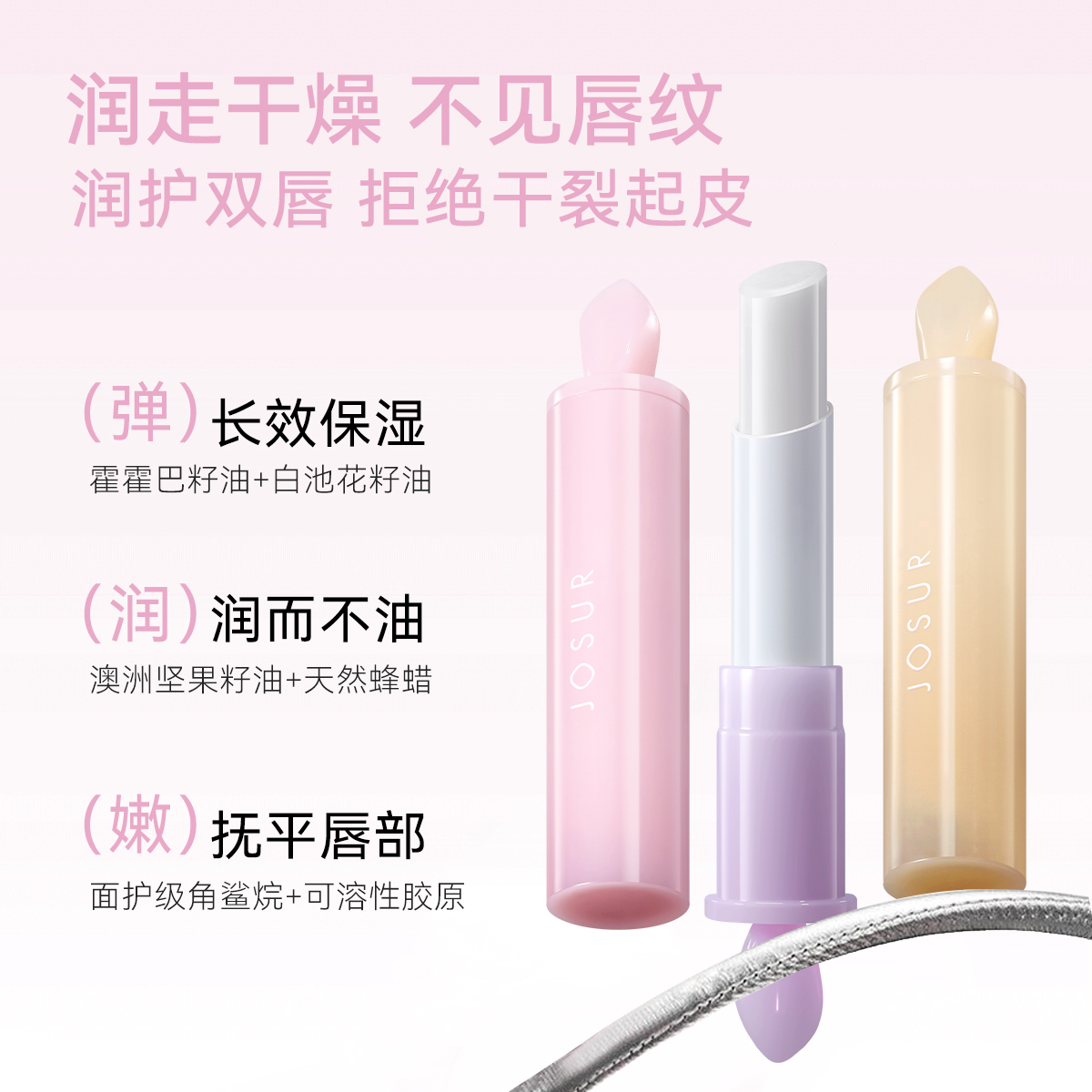
Lip balms rely on three functional classes of ingredients to restore and maintain lip hydration. Occlusives—such as petrolatum and beeswax—form a hydrophobic film that physically blocks transepidermal water loss (TEWL). Emollients—including shea butter and squalane—fill intercellular gaps with fatty acids and triglycerides, smoothing the surface and reinforcing barrier cohesion. Humectants like glycerin and hyaluronic acid draw moisture from the dermis or ambient air into the stratum corneum. Alone, each class has limitations: occlusives seal in existing moisture but don’t add it; emollients condition temporarily without lasting hydration; and humectants may dehydrate lips in low-humidity environments if not paired with an occlusive. The most effective formulations layer all three functions—a humectant to attract water, an emollient to soften and integrate it, and an occlusive to lock both in—delivering sustained, deep hydration without greasiness or buildup.
Why Stability and Skin Compatibility Matter in Active Delivery
Even scientifically sound ingredients fail if the formulation degrades or irritates. Stability ensures actives—like vitamin E, which protects lipids from oxidation—retain potency under real-world storage conditions; heat and light exposure can rapidly compromise efficacy. Skin compatibility hinges on minimizing sensitization risk: lanolin, synthetic fragrances, and certain botanical extracts are common irritants in leave-on lip products. pH and water activity further influence microbial safety and active release kinetics. A stable, compatible base enables occlusives to form a uniform, non-occluding film and allows humectants to hydrate without stinging or tightness. Manufacturers must therefore validate formulations through accelerated stability testing and dermatological irritation assessments—including repeat insult patch testing—to ensure consistent, safe performance across diverse user populations.
Regulatory and Compliance Essentials for Lip Balm Production
FDA Guidelines, INCI Naming, and Cosmetic Safety Assessments
In the U.S., lip balm is regulated as a cosmetic under the FD&C Act and Fair Packaging and Labeling Act. Labels must list ingredients in descending order by weight using standardized INCI names—e.g., Butyrospermum Parkii (Shea) Butter, not “shea butter”—and disclose all components of pre-mixed additives. While the FDA does not pre-approve cosmetics, manufacturers bear full responsibility for safety substantiation: documented cosmetic safety assessments must be completed before market launch and retained for inspection. Crucially, claims must avoid drug-like language—“soothes chapped lips” is acceptable; “heals chapped lips” triggers drug classification and requires FDA approval. Labels must also include net quantity, business name and address, and clear usage instructions. Proactive supplier audits and label compliance reviews help prevent enforcement actions, recalls, or warning letters that erode consumer trust and market access.
EU Cosmetics Regulation (EC) No 1223/2009 Implications
Under EU Regulation (EC) No 1223/2009, every lip balm placed on the market requires a Cosmetic Product Safety Report (CPSR) signed by a qualified safety assessor. The CPSR integrates toxicological data, stability profiles, and microbiological limits—evaluated against current scientific consensus—and must be updated as new evidence emerges. Manufacturing must comply with ISO 22716 (GMP), and the responsible person must notify the product via the EU Cosmetic Product Notification Portal (CPNP) prior to sale. Mandatory labeling includes the country of origin, period-after-opening (PAO) symbol, and warnings translated into the official languages of each member state where the product is sold. Non-compliance carries immediate consequences: withdrawal from shelves, fines, and loss of cross-border distribution rights. Ongoing post-market surveillance—including adverse event reporting and periodic safety update reports—is required to maintain regulatory standing.
Performance Testing and Consumer Validation for Lip Balm Efficacy
In Vitro Barrier Repair Assays and Transepidermal Water Loss (TEWL) Metrics
Reconstructed human epidermis models replicate the structural and functional properties of lip skin, enabling controlled evaluation of barrier repair. TEWL—the gold-standard metric for barrier integrity—is measured before and after application: lower, sustained reductions indicate effective occlusion and lipid replenishment. Rapid TEWL suppression within minutes reflects efficient occlusive-emollient synergy, while longer-term stabilization suggests humectant-driven hydration retention. These assays allow precise optimization of ingredient ratios—e.g., balancing high-melting waxes for film integrity with low-viscosity oils for spreadability—before advancing to clinical studies. Validated in vitro data directly support substantiation of hydration and barrier-support claims under global advertising guidelines.
Sensory Panels and Real-World Wear Testing Protocols
Trained sensory panels assess objective attributes—texture, gloss, spreadability, and residue—under standardized lighting and temperature conditions. Complementing this, home-use trials gather longitudinal feedback across climates and daily routines: panelists log comfort, wear time, reapplication frequency, and perceived efficacy over 7–14 days. This dual approach bridges laboratory precision with lived experience—revealing, for example, whether a high-occlusive formula performs well in arid winter air but feels heavy in humid summer conditions. Correlating TEWL improvements with high sensory scores strengthens claim substantiation and identifies trade-offs (e.g., maximum hydration vs. matte finish), guiding final formulation decisions for target demographics and use cases.
Scalable Manufacturing Considerations for Lip Balm Formulations
Thermal Processing, Fill Accuracy, and Tube Compatibility
Thermal processing demands precise temperature control—typically 70–75°C—to fully melt waxes and butters while preserving heat-sensitive actives like vitamin E or botanical extracts. Jacketed kettles with variable-speed agitation ensure uniform heating and prevent localized degradation or inconsistent crystallization. Volumetric fillers calibrated to ±0.5% accuracy minimize dose variability and material waste. Tube compatibility is equally critical: polypropylene or aluminum-laminated tubes must resist oil migration, maintain seal integrity under pressure, and accommodate the balm’s rheology—especially for high-wax or anhydrous formulas. Selecting appropriate packaging early—considering diameter, applicator type, and closure mechanism—ensures smooth filling, prevents air entrapment or burst seals, and supports scalable production throughput.
Shelf-Life Optimization and Preservative System Selection
Shelf-life depends on dual protection: antioxidants to prevent oxidative rancidity in natural oils, and preservatives to inhibit microbial growth—even in low-water systems. Tocopherols or rosemary extract (0.1–0.5% w/w) stabilize unsaturated lipids, while phenoxyethanol-based systems—validated per USP <51> challenge testing—offer broad-spectrum preservation without sensitization risk. Accelerated stability programs (e.g., 4°C/40°C cycling at 75% RH) simulate 24 months of shelf life in 3–6 months. GMP-compliant batching, nitrogen-flushed filling, and opaque, UV-resistant packaging further suppress degradation pathways. Together, these measures ensure consistent texture, odor, color, and efficacy from manufacturing through consumer use—upholding brand reputation and regulatory compliance.
FAQ
What are the essential ingredients in a lip balm formulation?
Lip balms usually contain occlusives, emollients, and humectants. Occlusives lock in moisture, emollients smooth the lip surface, and humectants attract water to the lips.
Why is stability important in lip balm formulations?
Stability ensures that active ingredients retain their potency throughout the product’s shelf-life and can effectively deliver their benefits without degradation.
What does FDA regulation mean for lip balm manufacturing?
FDA regulation requires manufacturers to substantiate safety, avoid drug-like claims, and follow INCI naming standards for their product labels.
What testing methods validate lip balm performance?
In vitro barrier repair assays and TEWL metrics are commonly used to measure the effectiveness of lip balm formulations in reducing water loss and improving hydration.
How do preservatives improve the shelf life of lip balms?
Preservatives prevent microbial growth, while antioxidants stabilize unsaturated lipids, increasing the product's longevity under various storage conditions.