
 EN
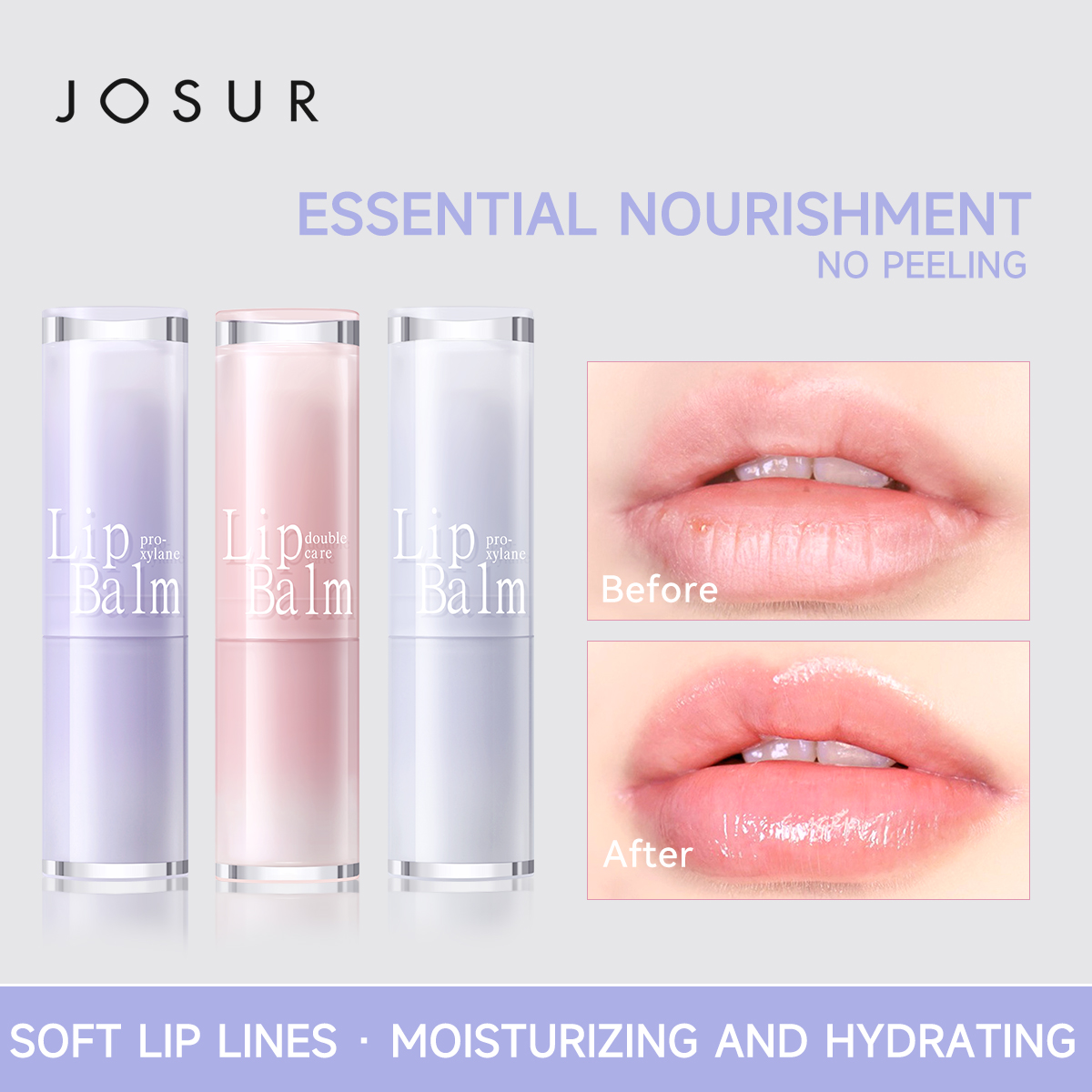
The Science of Overnight Lip Restoration: How Night Lip Balm Masks Transform Lip Tissue While You Sleep
Introduction: The Biological Vulnerability of Lip Tissue
Dry, chapped, and peeling lips are among the most common skin complaints worldwide, particularly during seasonal shifts or colder months. While many individuals rely on standard daytime stick balms to alleviate discomfort, these products often offer only temporary relief. Daytime balms frequently rub off due to eating, drinking, talking, and environmental exposure, leaving the delicate surface exposed to repeated hydration loss.
To achieve lasting smoothness and repair severe chapping, skincare science emphasizes dedicated overnight care. A night lip balm mask is not merely a thicker version of a standard balm; it is a specialized cosmetic formulation engineered to work alongside the body's natural circadian rhythm. By leveraging high concentrations of occlusives, humectants, and restorative emollients, an overnight mask transforms lip health during the body's peak recovery hours.
Understanding the Anatomy of the Human Lip
To understand why an overnight mask is necessary, one must first examine the unique biological structure of the lips (the vermilion border) compared to normal facial skin.
| Structural Feature | Facial Epidermis | Vermilion (Lip) Tissue |
| Stratum Corneum | Thick (15–20 cell layers) | Extremely thin (3–5 layers) |
| Sebaceous Glands | Abundant (produces natural oil) | Absent (no oil production) |
| Melanin Content | High (protects against UV) | Very low to minimal |
| Water Loss Rate | Standard baseline TEWL | Up to 10x higher TEWL |
Because lip tissue lacks sebaceous (oil) glands, it cannot produce its own protective lipid film. Furthermore, with an extremely thin stratum corneum—the outermost layer of dead skin cells that acts as a physical barrier—lips are inherently ill-equipped to retain moisture. Water evaporates from the lips up to ten times faster than from the cheeks or forehead. Without intervention, ambient air quickly draws out moisture, leading to tightness, micro-fissures, and peeling.
The Chronobiology of Overnight Repair
During sleep, the human body undergoes a series of physiological shifts governed by the circadian clock. Blood flow to the skin increases, cell mitosis (cell division and turnover) reaches its peak, and metabolic activity rises to repair environmental damage incurred during the day.
However, overnight conditions present a unique challenge for lip hydration:
-
Decreased Sebum and Sweat Production: Overall cutaneous secretion drops during sleep.
-
Increased Transepidermal Water Loss (TEWL): Body temperature rises slightly during deep sleep cycles, increasing passive water evaporation through the skin.
-
Mouth Breathing Exposure: Air circulation from breathing through the mouth continuously dries out the lip surface throughout the night.
An overnight lip mask is specifically designed to capitalize on heightened cellular repair while simultaneously erecting an impenetrable barrier against overnight water loss.
The Chemical Pillars of an Overnight Lip Mask
Effective night lip masks rely on a balanced synergy of three distinct ingredient categories: occlusives, humectants, and emollients.
1. Occlusives: Preventing Moisture Loss
Occlusives form a physical film over the stratum corneum, creating a hydrophobic barrier that seals in existing water.
-
Shea Butter & Botanical Waxes: Rich in fatty acids, these ingredients build a breathable, long-lasting protective layer that remains on the lips for six to eight hours without evaporating.
-
Ceramides: Lipid molecules that naturally occur in the skin barrier. Synthetic or plant-derived ceramides help rebuild the intercellular matrix between damaged skin cells.
2. Humectants: Drawing Moisture In
Humectants are water-loving molecules that attract moisture from the deeper dermal layers and the surrounding air into the outer stratum corneum.
-
Hyaluronic Acid (HA): Capable of holding up to 1,000 times its weight in water, HA plumps the tissue, smoothing fine vertical lines and restoring volume.
-
Glycerin: A classic, highly effective humectant that penetrates deep into micro-cracks to deliver sustained hydration.
3. Emollients: Smoothing and Softening
Emollients fill the microscopic gaps between flaking skin cells, restoring flexibility and smoothness.
-
Jojoba Seed Oil & Squalane: Biomimetic oils that closely resemble natural skin lipids. They absorb easily to soften rigid, dead skin patches, making them easier to shed naturally without tearing healthy tissue.
-
Antioxidants (Vitamin E & Plant Extracts): Neutralize free radicals and soothe active inflammation caused by severe chapping.
Technical Specification: Daytime Balms vs. Nighttime Masks
The table below highlights the fundamental formulation and functional differences between standard daytime lip balms and intensive night lip masks:
| Formulation Parameter | Standard Daytime Lip Balm | Intensive Night Lip Mask |
| Primary Objective | Quick surface comfort & light protection | Deep structural hydration & barrier repair |
| Viscosity & Texture | Light, waxy, low-tack finish | Rich, dense, high-viscosity ointment |
| Barrier Longevity | 1 to 2 hours (wears off easily) | 6 to 8 hours (sustained overnight adhesion) |
| Concentration of Actives | Low to moderate | High (concentrated lipids, peptides, HA) |
| Finish & Layering | Thin, satin/matte (ideal under lipstick) | Thick, glossy cushion (overnight seal) |
Step-by-Step Overnight Application Protocol
To achieve maximum results from a night lip mask, proper application technique is essential:
-
Gentle Surface Preparation: Prior to application, gently remove loose, dead skin by pressing a warm, damp washcloth against the lips for 30 seconds. Avoid harsh physical scrubs, which can create micro-tears in fragile tissue.
-
Apply a Generous Cushion Layer: Unlike daytime balms, which are applied thinly, a night mask should be applied thickly. Treat it like a leave-on compression mask. The layer should be visible and glossy.
-
Avoid Immediate Friction: Apply the product as the final step in your nighttime routine right before sleep to prevent the mask from transferring onto food, water glasses, or pillows.
-
Morning Cleansing: Upon waking, gently wipe away any remaining product with a soft damp cloth. The softened dead skin cells will slide off effortlessly, revealing smooth, hydrated tissue underneath.
Conclusion
A night lip balm mask is a scientifically grounded treatment designed to solve the biological vulnerabilities of lip tissue. By combining occlusive barrier protection with deep-penetrating humectants and restorative emollients, an overnight mask prevents transepidermal water loss and supports natural cellular regeneration. Integrating a dedicated mask into your nightly routine ensures you wake up to plumper, smoother, and completely restored lips every morning.